Local and regional authorities called for enhanced dialogue with citizens on EU climate and energy policies during the European Committee of the Regions conference on COP22 last Wednesday.
Several members of the EPP/CoR Group during the conference voiced their opinions and suggestions for better implementation of the global climate agreements on the ground.
Sirpa Hertell (EPP/FI), rapporteur on a new EU climate change adaptation strategy, shared her belief in the crucial role of cities and regions in encouraging people and businesses to work in a more sustainable way and create horizontal and vertical synergies and suggested:
"We need to involve all the stakeholders in a decision making process from the very beginning as we have started in my city some years ago, mainstreaming sustainable ideas into various policies is vital if we want to succeed".
Hertell, Vice President of ENVE and Chair of the Espoo Sustainable Development Committee, praised her municipality which ranked as the most sustainable city in Europe in the recent Dutch EU Presidency study, by providing practical examples of the application of sustainable policies like its new metro system, in cooperation with schools to reduce food waste and with energy companies on CO2 free emission energy for district heating.
Heinz Lehmann (EPP/DE) outlined 3 main issues to be addressed in order to help citizens understand the need for investments in climate adaptation:
"We need money, intelligence and time. It's hard to explain to people why they have to invest in the future. Nevertheless, we need to take appropriate action to prevent or minimise any possible damage caused by the adverse effects of climate change. We need to strive to achieve the 2'C climate target".
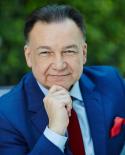
Adam Struzik (EPP/PL) shared the experience of the Mazovia Region with its efficient use of the EU funds and EIB loans for its low-carbon economy projects. He noted they contribute to improving energy efficiency, revitalising marginalised areas, developing renewable energy sources and innovations in SMEs. He also called for more dialogue with the citizens on the energy policy:
"We want energy, electricity that favours consumers, and we need a policy that encourages consumers to produce their own energy, we also need to push for a consumer model of renewable energy".
Bruno Hranic (EPP/HR) requested that local authorities actively participate in the new energy policies: "We need to encourage consumers to produce their own energy, especially solar energy, and involve public institutions in solar projects, for example kindergartens".
Michel Lebrun (EPP/BE) stressed that the COP 22 will be vital in implementing the multilevel governance principle in climate policy. Drawing on the example of the Covenant of Mayors, he underlined that the role of municipalities and regions is vital in mitigating climate change and adapting to its adverse effects. "I trust Marrakesh will confirm the role of local and regional authorities in this process", he underlined.
Domenico Gambacorta (EPP/IT) meanwhile asked the European Investment Bank about the financial opportunities available for energy improvements in hospitals, universities as well as for research in green energy, "We need more investments in our cities and regions", he concluded.