The 9th edition of the EPP-CoR Winter University gathered 60 Journalists, Journalism students and media makers to Brussels to discuss the hot topic of open data – and how to use it for better European storytelling. Many of the issues raised were of special importance also to the local and regional authorities, especially on the key questions of opening up data and the benefits it can bring to European cities and regions.
In the aftermath of the US Presidential elections and the discussion on post-factual societies and politics, the role of accessible data, fact-checking and the media literacy of citizens rose as important subjects throughout the sessions.
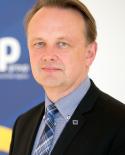
EPP-CoR President Michael Schneider emphasised that "in the EPP Group, we believe that data made public by local and regional authorities increases the transparency and accountability of them. Simultaneously, it enhances the active participation of citizens - since once they are better informed on aspects that matter in their everyday life they can be more involved by taking action in ameliorating it."
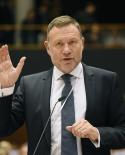
The long-term benefits for cities and regions in opening up data for the public are big especially in gaining more efficiency and transparency. "The breadth and diversity of information in open sources could make open data a highly cost-effective source of critical insights in many policy fields and in the development of a more proactive citizenship", EPP-CoR Vice President Arnoldas Abramavicius stressed.
The role of frontrunner cities in supporting also the smaller municipalities in opening up their data, as well as returning local and regional data delivered up to the national level to the use of cities and regions came as suggestions for immediate actions. However, data must not only be accessible but also understandable - here the representatives of media have an important role to play working together with the public sector.
Former CoR President Luc van den Brande gave a forward-looking vision for the conference in stating that "we are particularly interested in the untapped potential of publicly held data because of its ability to transform cities and regions and give us a better understanding of the places we live and work in".
More information, pictures and the presentations can be found on our:
EVENT SITE FLICKR GALLERY PUBLICATION